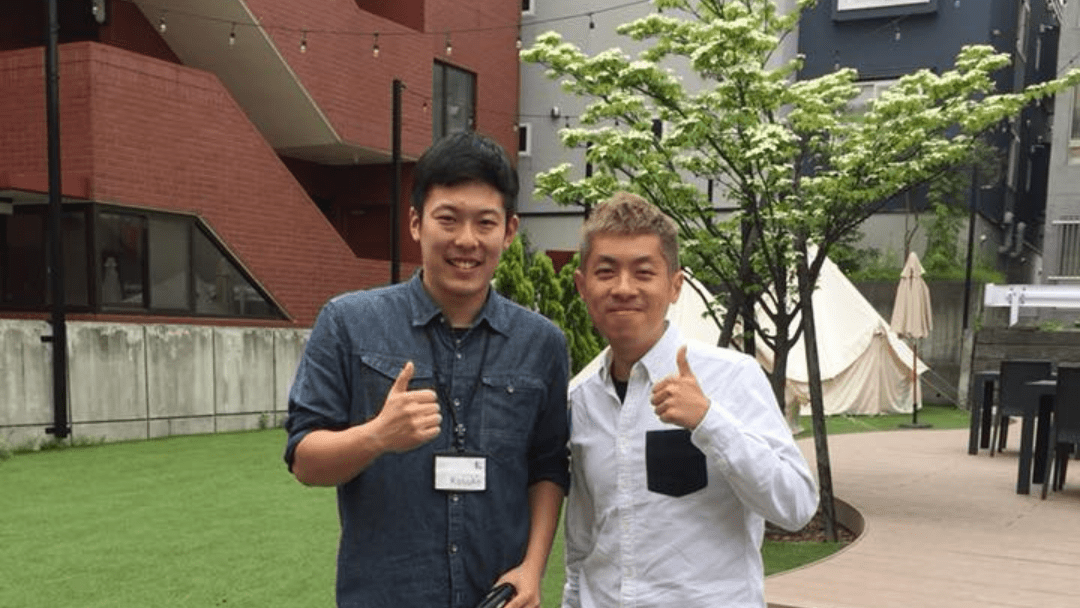
前言: 最後一日係札幌嘅住宿係 Tentoten hostel,入去 check in 後見到有職員介紹,見到 Kosuke 嘅介紹係「likes to chat with people」,猶豫左一陣,決定簡介自己用意同問下 Kosuke 會唔會可以分享自己嘅故事,Kosuke 聽到我話想訪問仲問我係咪作家,就係咁,我地就開始傾計。
1. Why do you choose to work here?
I am now studying in university and have been working here as a part time worker for 3 months.
I went to Manila to study an English language course for a year and I wanted to communicate with foreigners and share good stuff with them about Japan.
2. How much do you like this job?
I like this job a lot. Though my English skill is getting worse because I’m now back to Japan and have fewer opportunities to speak in English, I am not afraid of communicating with foreigners now.
3. It is given the impression Japanese can’t speak English well. Is this still the situation nowadays?
Yes. Japanese can’t speak English well. I think it is because of the education system and the culture. Japanese are mostly shy to communicate with strangers (non Japanese).
K: I have heard a saying that Japanese can’t speak English well because they are perfectionists, do you agree?
Yes I think so. They want to be perfect and that’s why they try to avoid mistake and don’t want to speak in English.
4. While most Japanese avoid speaking in English, why do you choose to study an English language course? Do you have plan to study Putonghua too?
I believe it is dangerous for us to only master Japanese under the trend of globalisation.
Though the demand for Putonghua is also increasing due to tourism, I want to master English well first.
K: Do you have upcoming plan on how to improve your English skill?
I guess I will try to practice the use of English and speak more.
5. Why did you choose Manila to learn English? Did you like the experience?
Although the course is expensive, Manila is one of the few places providing one on one English lesson, which includes conversation and the teaching of grammar.
I like the experience learning in Manila. The people and the environment are very different from Japan. However, I have to stay more alert while I was in Manila as some situations are not found in Japan such as crazy drivers and terrorist attack.
6. What do you plan to work for after graduation?
Hum… I want to improve some skills before finding job such as programming and computer skills as I’m not good enough at these. I want to be a general manager after equipping more skills.
K: Do you want to work for the hotel industry again?
I’m not sure but I’m interested in the industry.
7. I’m not sure if I can express the last question well… do you think the Japanese society in general does not encourage the expression of emotion or even repressing emotion?
I think it’s true when you compare us with foreigners like Americans but this does not happen for all situations.
The level of endurance of Japanese is high, and hence they may try to handle the emotion by themselves instead of expressing to others. The result is some people cannot handle the stress or emotion and the number of suicidal cases is high in Japan, even for high school students.
K: I observe that there are a lot of shops like UFO catcher shops (夾公仔店) and karaokes, do they help to relieve the emotion and stress of Japanese?
(With a laugh) I don’t think so. They are more like a form of gambling. As the spendings are not expensive, they are quite popular in Japan as entertainment.
後記: 呢篇訪問嘅英文當然有我嘅港式英語修飾左,我地嘅對話係要 rephrase,再解釋,追問先明白大家嘅意思,過程好多笑料,大家都傾得好開心,而 Kosuke 其實好努力去講自己嘅想法,我係走之前仲同他講其實他英文係 ok 的。
原本以為今次唔會搵到日本人做訪問,一切都係在於緣份同嘗試

 有故事的人 Story Teller | Kenry Lee